
Understand the issues
Recognising threats to lands, forests and communities
Knowing what is happening, why it matters and which signs should alert you: the first step to protecting your land.
 01
Illegal logging
What is it?
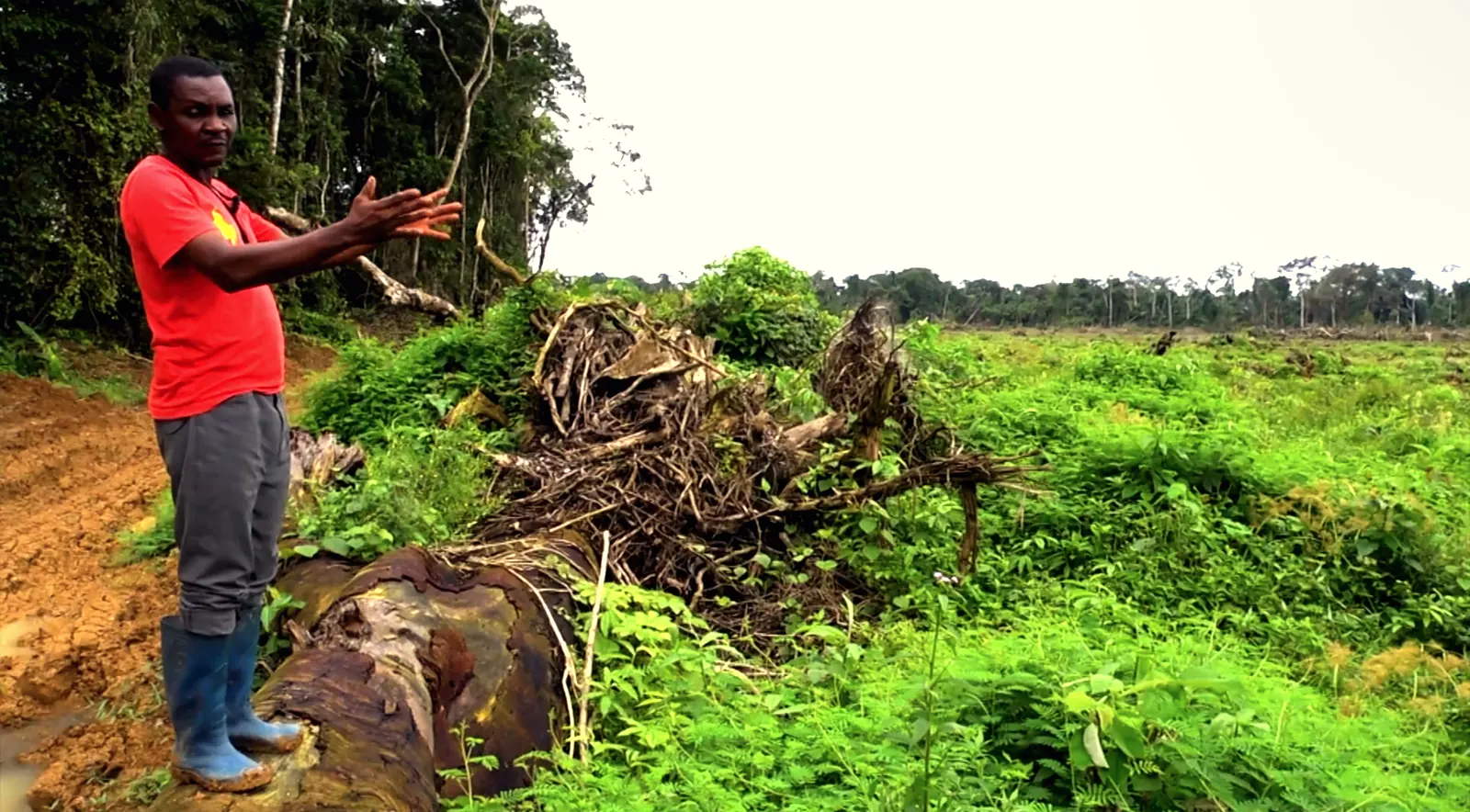
Felling trees without a permit, outside a concession’s boundaries, in a protected area or among banned species, then moving that timber as if it were legal.
Why it matters
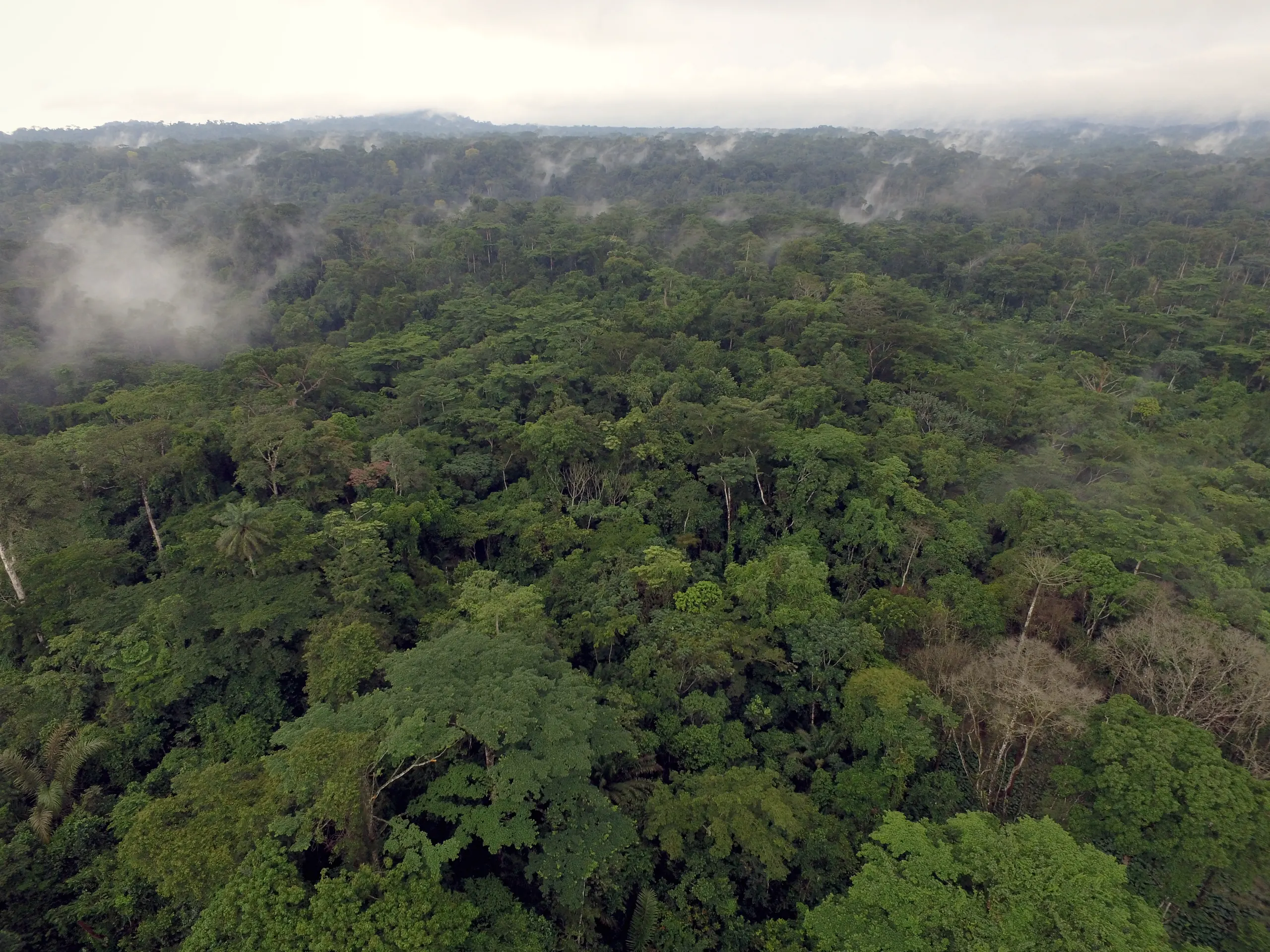
Forests feed, heal and support communities. Destroying them wipes out wildlife, dries up springs and fuels conflict. Central Africa’s forests are the second largest tropical forest on Earth.
Signs that should alert you
- Logs with no markings or erased markings
- Timber trucks driving at night
- New tracks opened deep in the forest
- Mobile saws and on-site sawing
- Felling along rivers or in a protected area
 02
Illegal mining
What is it?
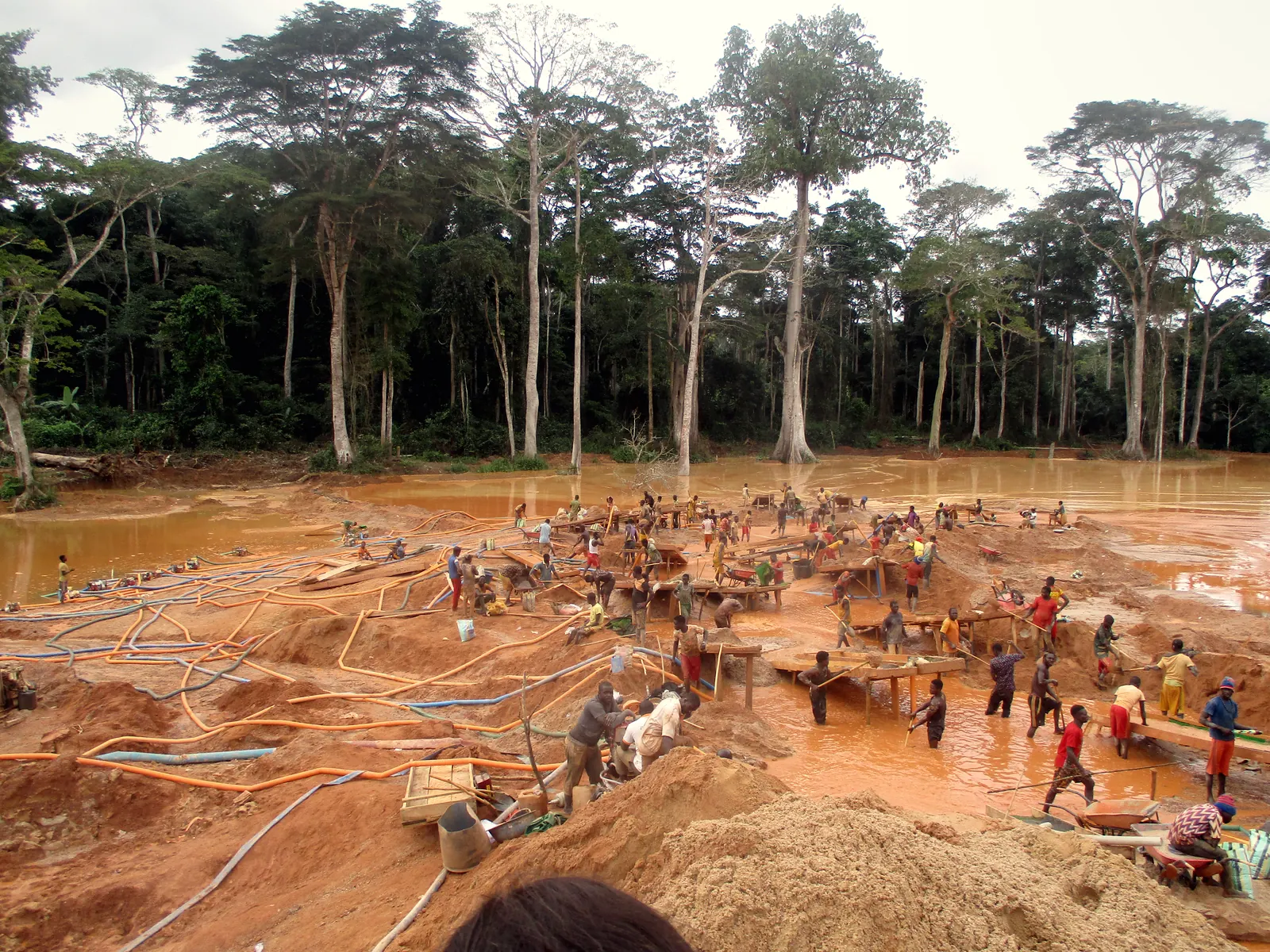
Extracting gold or other minerals without a permit, or without respecting environmental and worker safety rules.
Why it matters
Rivers turn to mud, mercury contaminates water and fish, soils are turned over for years, and sites expose workers, sometimes children, to serious danger.
Signs that should alert you
- Pits and holes left open
- Murky or orange water downstream of a site
- Excavators or pumps in a riverbed
- Camps appearing within days
 03
Land grabbing
What is it?
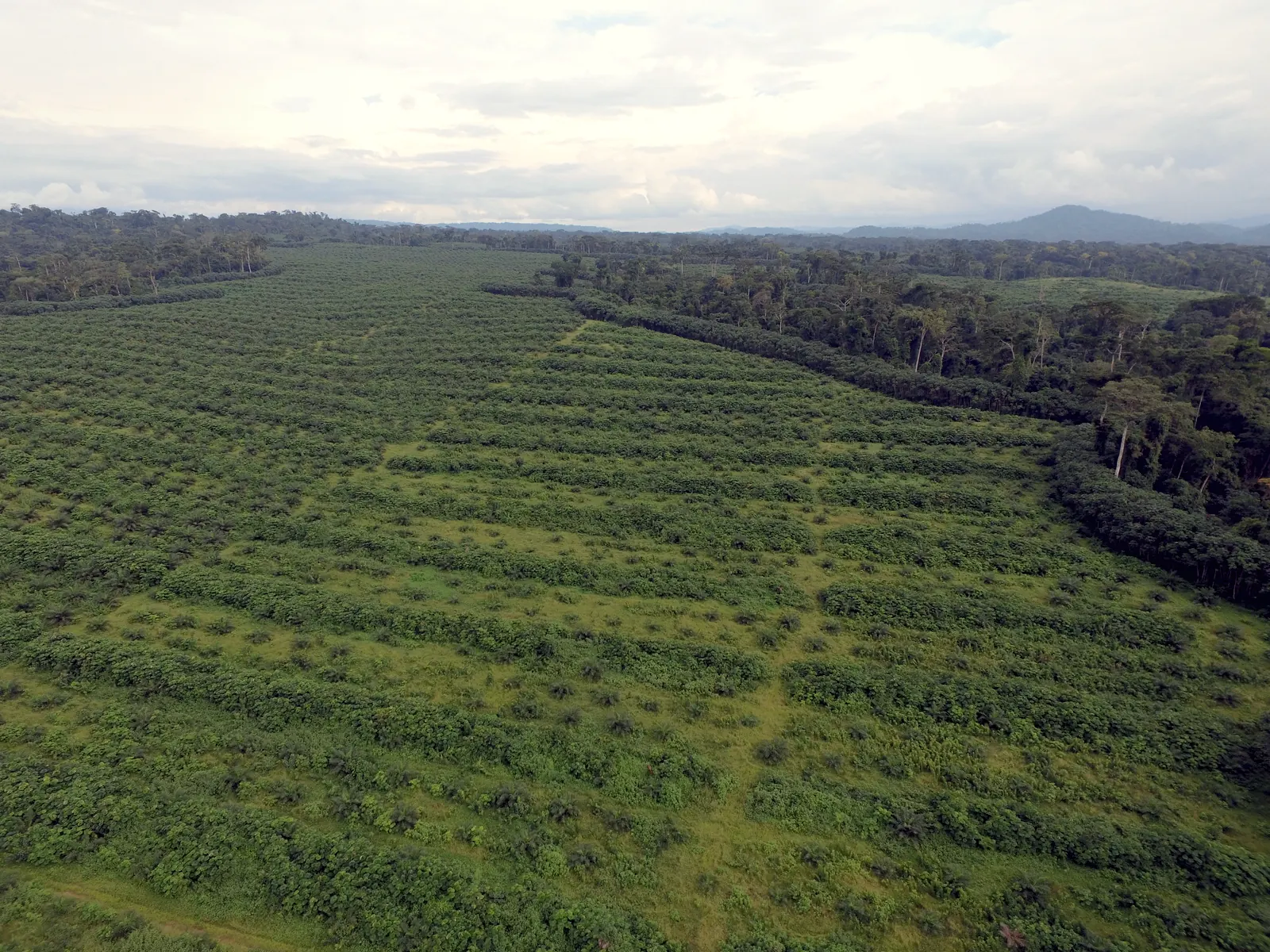
Acquiring or handing over large areas of land without the free, prior and informed consent of the communities who live on or use it.
Why it matters
Families lose access to their fields, forest, water and sacred sites, often without fair compensation, which threatens their future.
Signs that should alert you
- Boundary marking or fencing with no public meeting
- Land-clearing machines arriving
- New bans on entering fields or forest
- Promises made orally, never in writing
 04
Land conflicts
What is it?
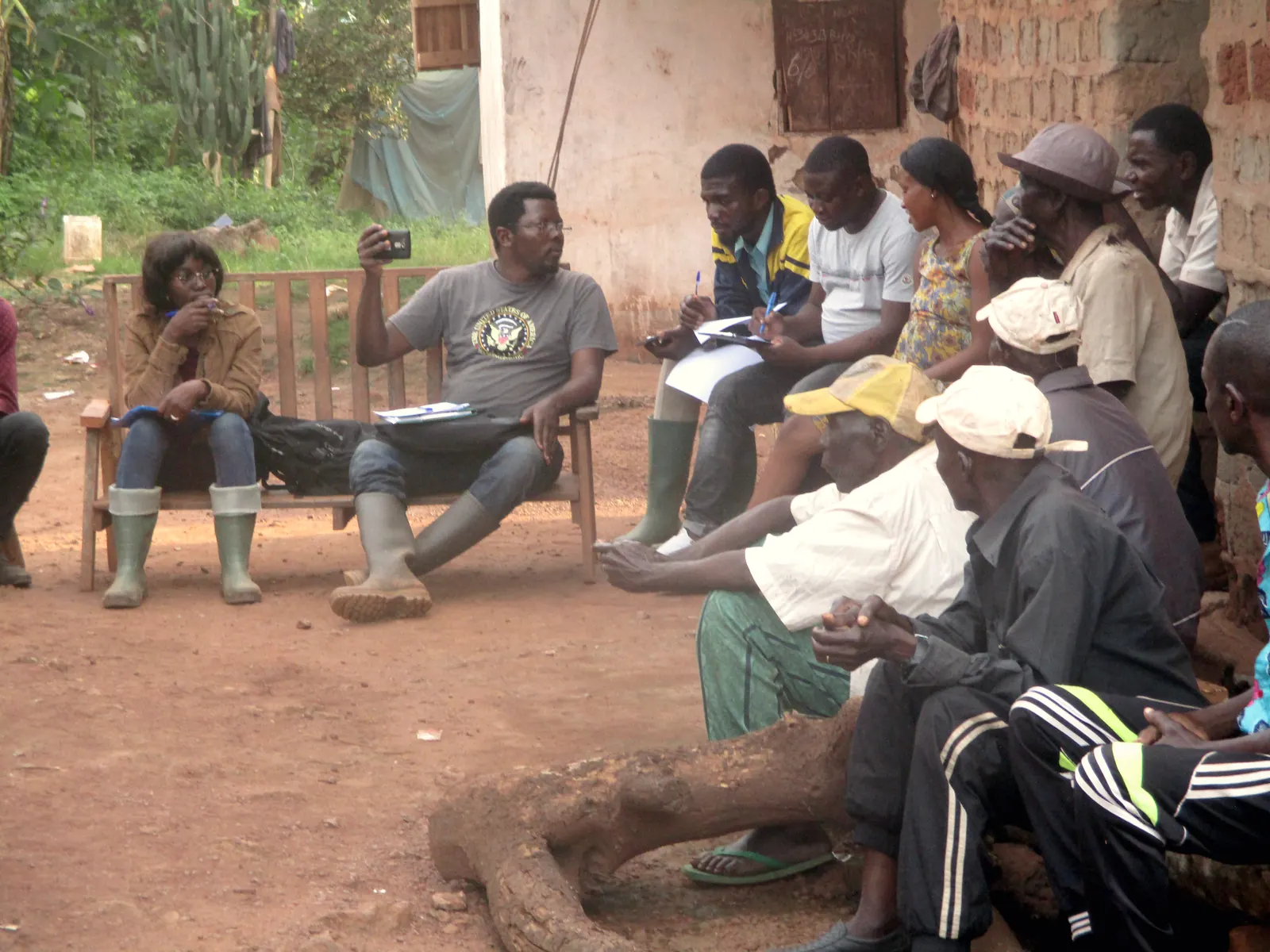
Disagreements over the use or ownership of land: between farmers and herders, between neighbouring villages, or with a company.
Why it matters
Without mediation, these tensions can turn violent and force families to leave. Reporting early helps calm things down before it is too late.
Signs that should alert you
- Crops destroyed or livestock killed
- Transhumance corridors blocked
- Disputed land boundaries
- Threats or intimidation
 05
Water and soil pollution
What is it?
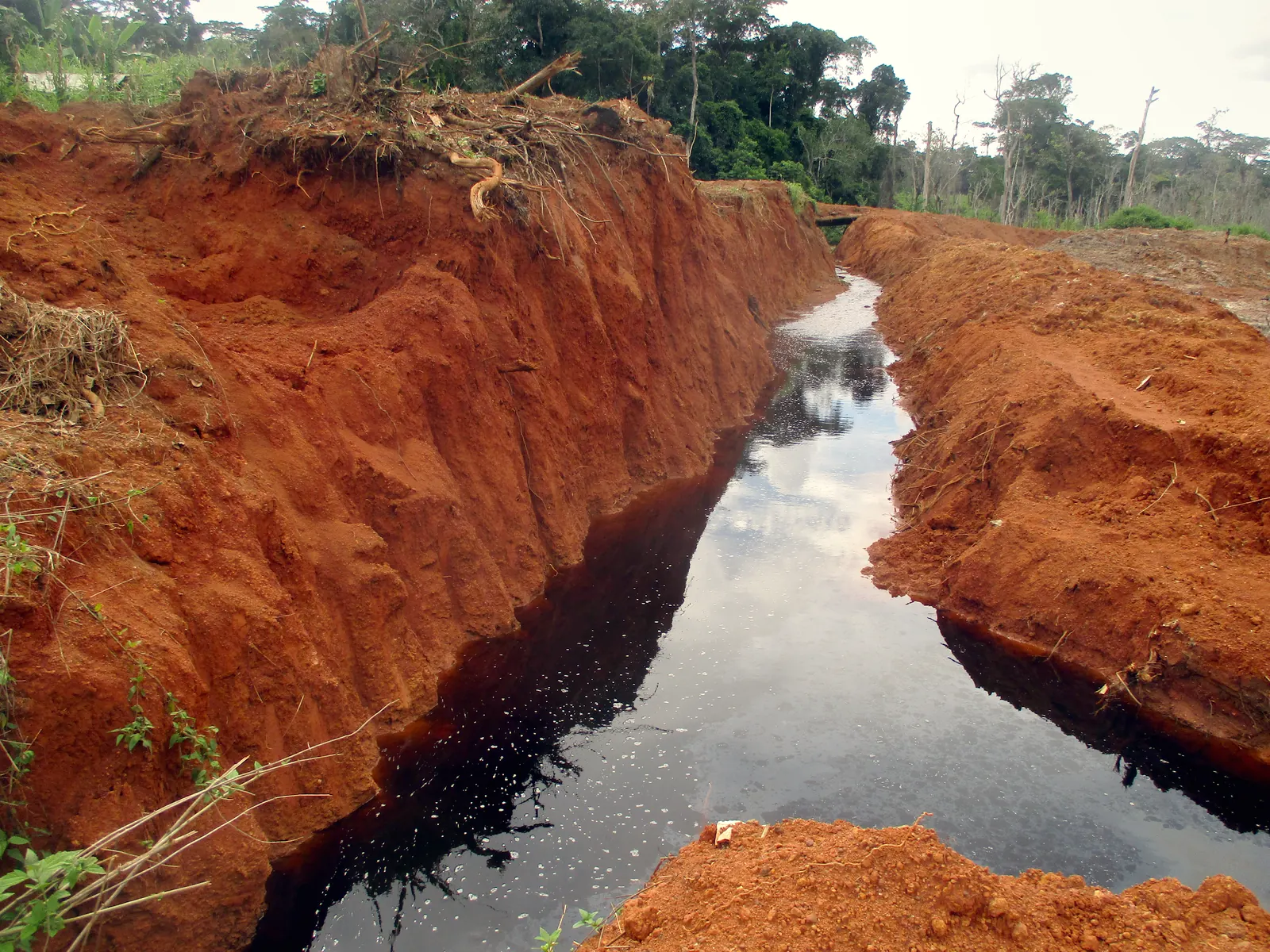
Dumping chemicals, oils, mining or industrial waste into rivers and soils.
Why it matters
Drinking water, fishing and crops are affected, with direct consequences for families’ health.
Signs that should alert you
- Many dead fish
- Coloured water or an oily film on the surface
- Unusual smells
- Abandoned waste or drums
 06
Abuses of community rights
What is it?
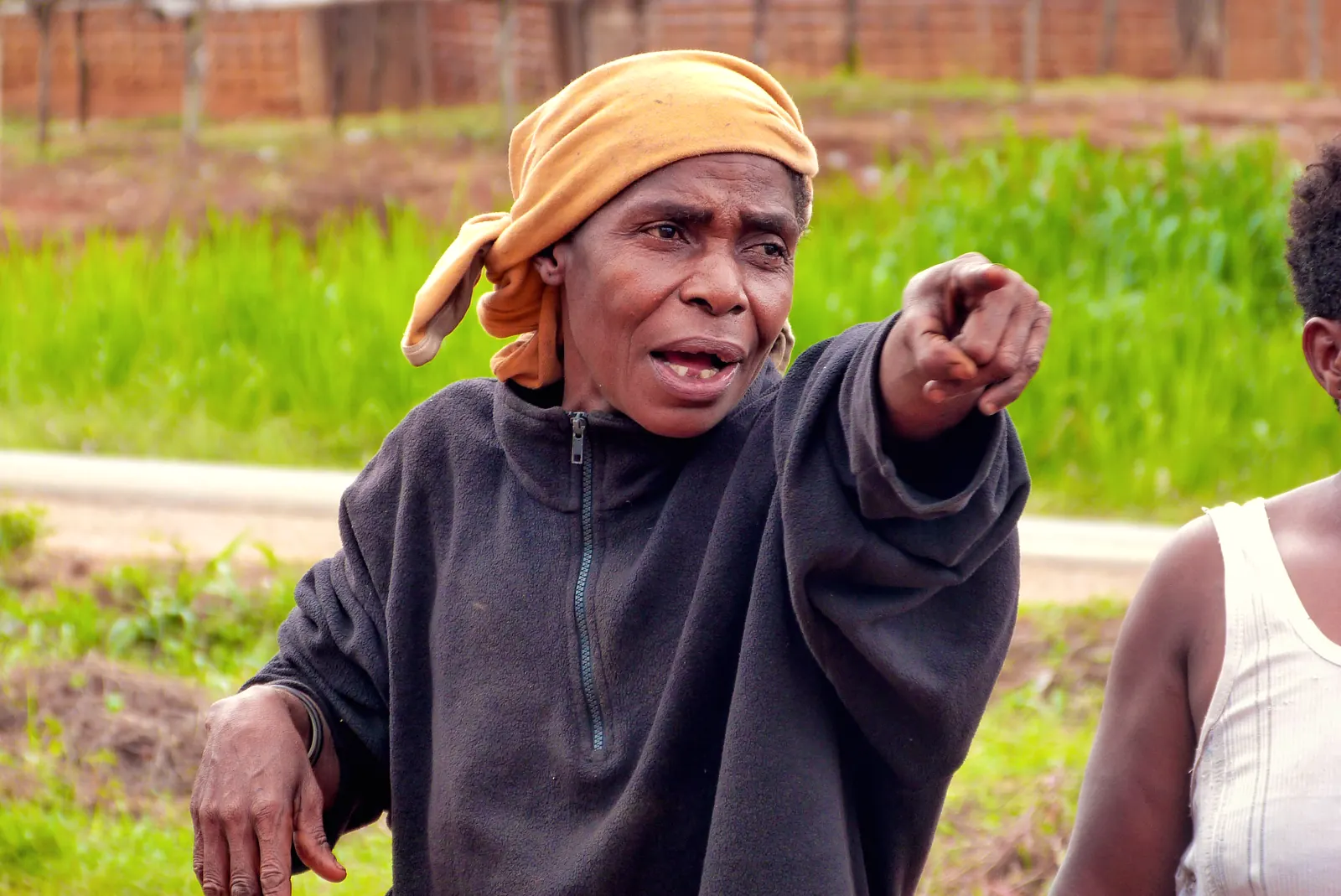
Evicting people, restricting access to customary lands or deciding without consulting local communities and indigenous peoples, and intimidating those who speak up.
Why it matters
Land carries the identity, culture and livelihoods of communities. Denying their rights makes them even more vulnerable.
Signs that should alert you
- Eviction without a written decision
- Homes or sacred sites destroyed
- Traditional hunting or gathering banned without consultation
- Pressure on those who speak out
Report well
Five habits for a useful, safe alert
- 1
Your safety first
Never approach danger or confront anyone. Take photos from a distance if needed.
- 2
A clear, wide photo
Show the whole scene and a visible landmark: a road, a river, a building.
- 3
Facts, only facts
Say what you see, where, since when and who is affected. Avoid accusations.
- 4
Touch nothing
Leave the place as it is: it is evidence for those who will act.
- 5
Stay discreet if needed
Turn on anonymous mode so your name does not appear on the alert.
Vigiland
Have you seen something?
Report it in seconds. Your alert will be reviewed by your country’s team.